
Weekly Rewind: 5/8/26
Colorado Passes First-In-Nation Surveillance Pricing Ban, and more.

By Zachary Hagen-Smith and Katie Hettinga
Welcome back to the The Economic Populist’s Weekly Rewind. Every Friday, we’ll briefly recap the week’s biggest news, updates, and developments in the fight against corporate power.
Here’s what to know this week.
Colorado Passes First-In-Nation Surveillance Pricing Ban
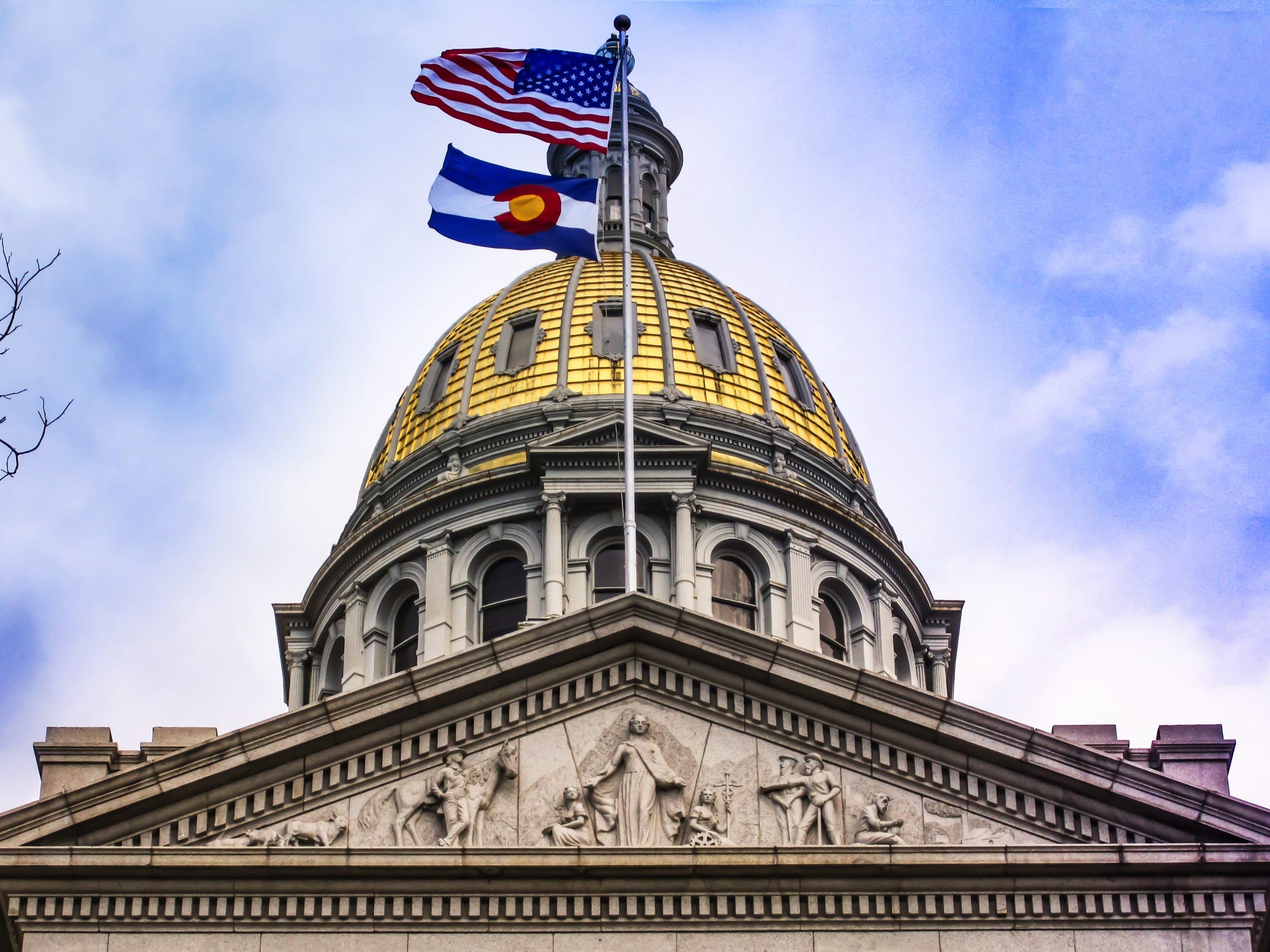
On Thursday night, the Colorado State Legislature did something that no other state in the entire country has done. It passed a bill that would comprehensively ban surveillance pricing and wage setting — the practice of using harvested personal data, like browsing history or location information, to set prices as high as customers will pay, and wages as low as workers will accept.
Championed by state reps. Javier Mabrey and Jennifer Bacon, the legislation now heads to the desk of Colorado governor Jared Polis. As Director of State and Local Policy Pat Garofalo put it, “If Gov. Polis is truly concerned about affordability for everyday Coloradans, he’ll sign this bill into law.”
The bill’s passage comes in the wake of an Economic Liberties and Data for Progress poll showing that 78% of voters would support a prohibition on companies using private data to set personalized, profit-maximizing prices and wages. It also comes just days after Maryland passed a faux surveillance pricing “ban” riddled with loopholes and corporate handouts, as we covered in late April.
As state legislatures around the country weigh surveillance pricing bans of their own, Colorado has an opportunity to set a real standard for how states can fight back against this rapidly-spreading threat to affordability and basic dignity. We’ll be keeping a close eye on whether Polis seizes it.
Spirit Airlines Shutters — Due To War and Deregulation, Not Antitrust
At 2:35 AM on Saturday, Spirit Airlines announced it was shutting down. The liquidation of the already-bankrupt company left Spirit’s 17,000 employees jobless and countless travelers stranded. Who, or what, is to blame?
Corporate-aligned pundits rushed to pin Spirit’s shuttering on Biden-era antitrust enforcers for suing to block a proposed 2022 merger between Spirit and JetBlue, which a Reagan-appointed judge ruled was illegal (even Spirit’s CEO thought it was illegal). But these talking heads couldn’t be further from the truth, as Research Director Matt Stoller explained at length over on the BIG newsletter.
Here’s the short version. The immediate cause, as Spirit itself put it, was “the sudden and sustained rise in fuel prices” following the war with Iran, which set jet fuel costs at more than double what Spirit had projected in its Chapter 11 restructuring plan. These sky-high costs have left airlines around the world scrambling: cutting 2 million seats and 13,000 flights from May schedules. The war has put budget airlines in a particularly tight spot, and they are now begging Trump for $2.5 billion in sectoral relief.
But, as Bill McGee, Economic Liberties’ Senior Fellow for Aviation and Travel, explained in a Tuesday MS Now op-ed, budget airlines’ struggles are symptomatic of a greater problem. For the “Big Four” airlines that control 80% of U.S. air travel, ultra-low-cost carriers like Spirit are a threat, adding competitive pressure that forces fares down. The Big Four go after these smaller competitors with anticompetitive tactics like loss-leading predatory pricing, gate control, and loyalty programs. They even helped kill Spirit’s proposed bailout. The K-shaped result: big airlines rake in profits, while small airlines can barely stay afloat.
This situation is ultimately a consequence of airline industry deregulation, as McGee broke down for the Economic Populist last week. Before deregulation in 1978, airline M&A was minimal and bankruptcies almost nonexistent; since then, there have been 45 airline mergers and more than 200 bankruptcies.
Illegal mergers are not the solution to the airline industry’s deep-seated woes, as Ganesh Sitaraman wrote for the Vanderbilt Policy Accelerator. For a roadmap for a sustainable and affordable aviation industry, revisit our 2025 whitepaper with Sitaraman, “How to Fix Flying: A new Approach to Regulating the Airline Industry.”
2026 Not Yet a ‘Blockbuster’ Year for Trade and Manufacturing
U.S. Treasury Secretary Scott Bessent predicted in November that 2026 would be a “blockbuster” year for the U.S. economy, particularly for manufacturing. With government data on trade and the manufacturing industry now available for Q1 2026, it is clear this prediction has not been borne out.
Rethink Trade finds that the trade data show an increase in the U.S. manufactured goods trade deficit relative to pre-Trump in Q1 2024. The United States lost 82,000 manufacturing jobs since Trump’s return to office. U.S. construction spending in manufacturing is down 20.5% since Trump’s inauguration. The overall U.S. trade deficits in both goods and goods and services have decreased since 2024, but gains in exports are mostly unrelated to manufacturing: Metals and liquefied natural gases led in export value increases comparing the first quarter of 2024 to 2026.
However, other measures of manufacturing activity present a more nuanced picture: shipments of U.S.-produced durable goods grew consistently (albeit modestly) throughout 2025 and continued to rise slowly in Q1 2026, and Manufacturing Purchasing Managers Indexes are positive.
The President’s trade policy to date has not addressed the underlying causes of structural imbalances. It remains to be seen if Trump will follow through on promises to rebalance U.S. trade and create new manufacturing jobs — or if his pattern of chaotic, mistargeted tariffs and attacks on other countries’ Big Tech regulations will dominate the rest of his second term.
Quick Hits
Economic Liberties is out with a new report analyzing how independent medical practices are being systematically displaced by Wall Street and Big Medicine due to rising capital costs and corporate capture of other healthcare market participants. The report comes on the heels of a big win for physician independence in Oregon, where a hospital system agreed in court to end a corporate management arrangement and contract directly with a physician-owned group thanks to the state’s new corporate practice of medicine law.
On Thursday, the Department of Justice proposed a settlement in its price-fixing lawsuit against Agri Stats, a data consultancy that allegedly helped meatpackers collude to raise pork and poultry prices. The settlement falls far short of effectively cracking down on this scheme, fitting into a broader pattern of eyebrow-raising weakness from the Trump DOJ.
Also on Thursday, Oscar-nominated actor Mark Ruffalo and Economic Liberties Research Director Matt Stoller penned an op-ed on the Paramount-Warner Bros. merger in the New York Times, breaking down the harms of the deal, and advocating further opposition from attorneys general and antimonopoly legislators. The same day, 34 Congress members from California sent a letter to California attorney-general Rob Bonta, supporting his review of the merger and urging continued scrutiny.
On Friday, Director of State and Local Policy Pat Garofalo joined New York Attorney General Letitia James and State Assemblywoman Emerita Torres at a Bronx event rallying support for the One Fair Price Act, a bill that would ban surveillance pricing statewide.
On Thursday, USA Today released an in-depth article on Black Bear Sports Group’s role in raising costs in youth hockey. The article featured Senior Legal Fellow Katie Van Dyck, whose report last month analyzed how Black Bear and other big financial groups are turning sports into a luxury good.
ICYMI: Mark Craig, Founder and CEO of Write-Off Warrior, on how Big Medicine insurers became America’s biggest government contractors — at taxpayer and patient expense.