
Weekly Rewind: 2/20/26
Supreme Court Limits Trump’s Power to Impose Tariffs as He Wishes, and more.

By Kainoa Lowman and Katie Hettinga
Welcome back to the The Economic Populist’s Weekly Rewind. Every Friday, we’ll briefly recap the week’s biggest news, updates, and developments in the fight against corporate power.
Here’s what to know this week.
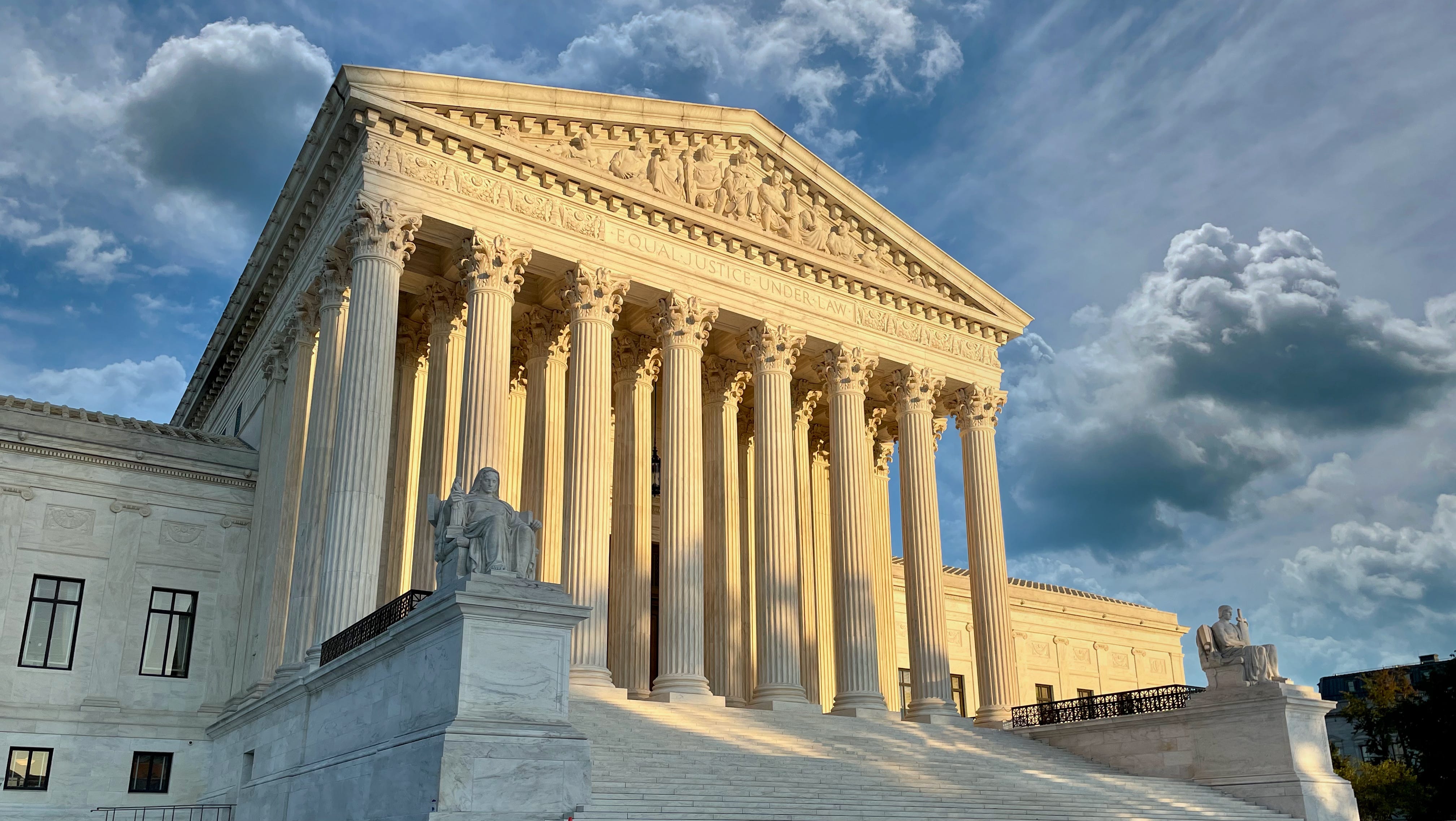
Supreme Court Limits Trump’s Power to Impose Tariffs as He Wishes
As we were about to hit send on this week’s Rewind, the Supreme Court issued its long-awaited decision on Trump’s tariff authority, restricting Trump’s imposition of tariffs using the International Emergency Economic Powers Act (IEEPA). The ruling, needless to say, was not what Trump wanted to hear, and he responded with a rambling, angry press conference where, among other invective, he called the six justices who ruled against him “fools” and “disloyal.”
Nonetheless, tariff rates are unlikely to change significantly in the short term, given that several other trade laws grant the president explicit authority to impose tariffs. Trump named multiple possible tariff options in his press conference and said he would impose a 10% global tariff under Section 122 of the Trade Act of 1974. Section 122 permits the president to impose tariffs of up to 15% for up to 150 days to address “large and serious” trade balance issues.
Yet Trump’s preferred strategy has to date failed to meaningfully reduce the United States’ chronic trade deficit and rebuild U.S. manufacturing, and that’s unlikely to change. For all his tough talk, Trump’s tariffs have been more aimed at punishing enemies and rewarding allies and donors than actually keeping his campaign promises to rebalance trade and boost American manufacturing.
True, this week’s release of the full-year 2025 trade data showed that the overall U.S. goods and services trade deficit was slightly smaller in 2025 than in 2024. However, the trade deficit in manufactured goods — a more precise measure for Trump’s promises to revitalize U.S. industry — widened by 3.9% from 2024 to 2025. At the same time, manufacturing employment is down by 88,000 jobs since Trump took office. Trump is not only failing to deliver on his rhetoric, but he’s also presiding over backsliding in the area. See Rethink Trade’s new memo for more details.
Paramount Tries to Sneak Warner Bros. Acquisition Bid Through Antitrust Review
Things are heating up in the battle to acquire legendary Hollywood studio Warner Bros. Discovery.
In December, the company entered a definitive agreement to be acquired by Netflix for $80 billion. Rival bidder Paramount Skydance responded with a hostile takeover attempt—and, it turns out, underhanded legal maneuvering — maneuvering could pay off with the Trump administration.
As first reported in-depth by Research Director Matt Stoller, Paramount’s chief legal officer, Makan Delrahim, had Paramount seek antitrust approval for a Paramount-WBD merger before a deal was closed, completing such costly and time-consuming requirements as a “second request” for information, which entails compiling and submitting the troves of internal documents required for large mergers that antitrust enforcers may want to challenge.
This is an unheard-of — and highly aggressive — move. It signals that Paramount would proceed to execute the merger immediately if it reaches a final agreement with Warner Bros. It is also almost certainly a further sign that Paramount has, shall we say, confidence that the Trump administration is looking favorably on their bid. Democratic Senators are expressing concern, with a group including Minority Leader Chuck Schumer threatening an investigation into a potential WBD-Paramount deal. “Paramount’s apparent confidence that a politically sensitive transaction will clear without difficulty warrants serious scrutiny,” the group wrote in a letter to Paramount CEO David Ellison.
Paramount is continuing to move forward. On Friday, it announced it had cleared a 10-day waiting period following compliance with this request, which, in theory, means Paramount and WBD can begin merging operations.
The DOJ could still challenge the merger, but as Stoller notes, getting a judge to “break up” a company that has already begun integrating is a more difficult proposition than blocking a proposed merger, which no doubt also explains why Paramount is proceeding so aggressively.
As we’ve written before, either a Netflix or Paramount takeover of WBD would be disastrous for both the film industry and American democracy. More evidence emerged this week to bolster the latter point, with new allegations that Paramount-owned CBS News censored Stephen Colbert’s interview with Democratic Senate candidate James Talarico. This only heightens our concerns about Paramount gaining control of CNN, which is part of the WBD conglomerate.
Zuckerberg Testifies in Landmark Child Safety Trial
It says something about how intense the news cycle was this week that Meta CEO Mark Zuckerberg testifying before a jury over claims that his company’s platforms have harmed children is not our lead story in this edition of Rewind.
Zuckerberg’s testimony came at a landmark trial in Los Angeles Superior Court, where a now-20-year-old California woman identified alleges that Instagram and YouTube deliberately hooked her as a child through addictive design features, and that the resulting compulsive use led to anxiety, body dysmorphia, and suicidal thoughts. The woman’s allegations, while horrifying, are not groundbreaking. It is by now well-established that social media giants have prioritized maximizing user engagement and profits at the expense of young people’s well-being.
Confronted with evidence this week that he had been aware of these harms and declined to act, Zuckerberg kept his responses curt, using variants of the phrase “You’re mischaracterizing this” more than a dozen times.
But what makes this week’s trial unique isn’t just Zuckerberg’s testimony. It’s the stakes. The plaintiff is suing Meta under product liability laws, rather than content liability laws—essentially treating Meta like a manufacturer that has issued a defective and dangerous product. This strategy sidesteps Section 230 of the 1996 Communications Decency Act, which has long been social media companies’ saving grace, shielding them from liability for harm caused by the content they host.
This case is considered a bellwether with potentially huge implications for some 1,600 other pending social media addiction cases filed by parents and school districts. If the plaintiffs succeed, it could signal the end of business-as-usual for companies that have long harmed kids and sowed political division with impunity.
Quick Hits
A judge has rejected Live Nation-Ticketmaster’s bid to toss out the DOJ’s monopolization suit against the company.
Private credit giant Blue Owl has halted redemptions from a fund targeted to retail investors. This comes as the industry seeks greater access to everyday investors through 401(k) plans—and amid growing concerns about the health of the asset class.
Illinois Governor JB Pritzker is supporting legislation to ban junk fees in the state.
The Trump Commodity Futures Trading Commission has moved to stop states from regulating prediction markets. Research Director Matt Stoller went on ABC News to discuss.
ICYMI: Economic Liberties’ own Emma Freer takes a look back at RFK Jr.’s first year as Department of Health and Human Services secretary.