
Weekly Rewind: 1/23/26
Congress Gets Serious About Breaking Up Big Medicine, and more.

By Kainoa Lowman and Katie Hettinga
Welcome back to the The Economic Populist’s Weekly Rewind. Every Friday, we’ll briefly recap the week’s biggest news, updates, and developments in the fight against corporate power.
Here’s what to know this week.
Congress Gets Serious About Breaking Up Big Medicine
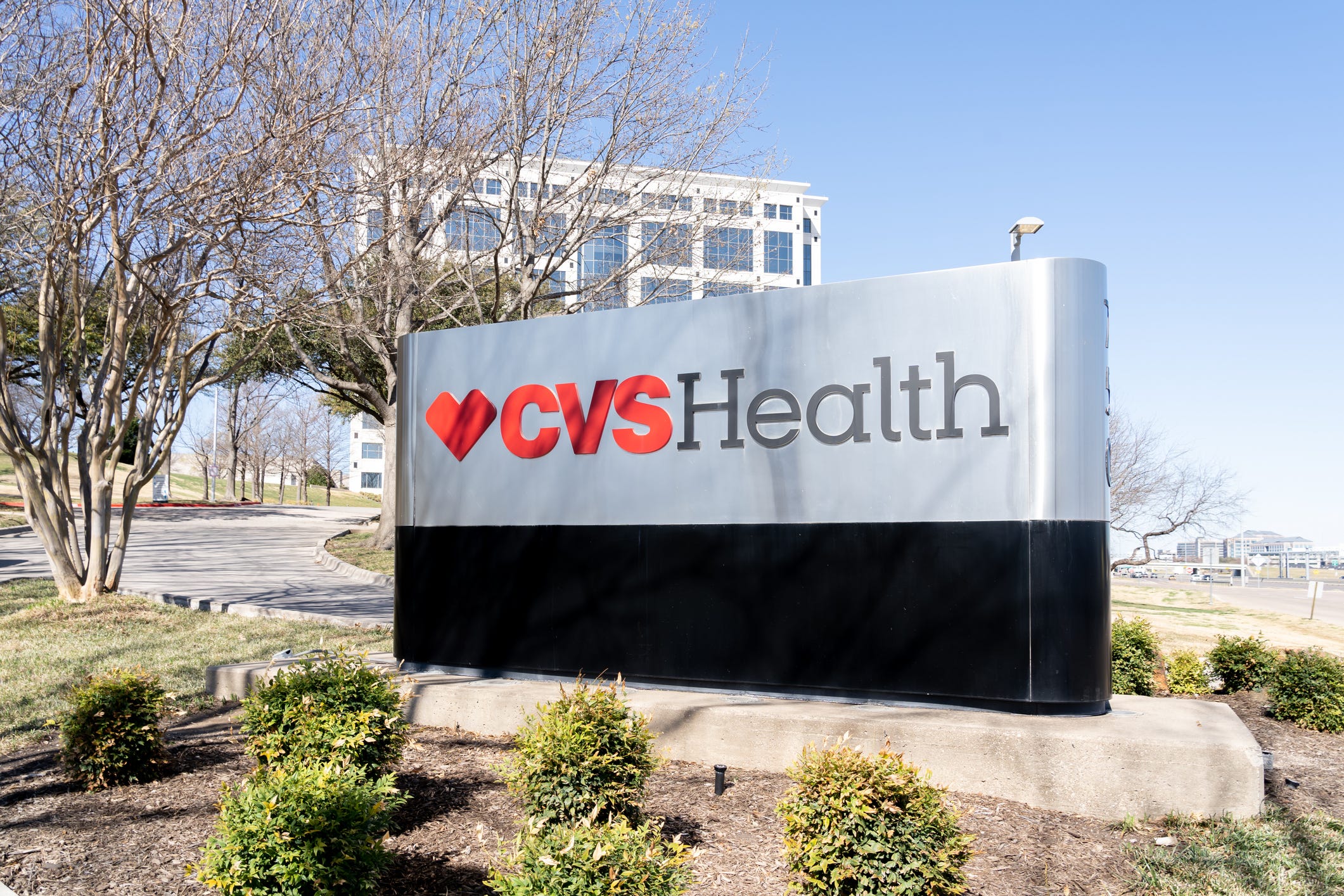
On Thursday, high-ranking Big Medicine executives testified at an explosive House Congressional hearing on health insurance affordability. It’s clear there’s growing recognition amongst elected leaders of the harms — to patients, practitioners, and the overall medical system — of vertical consolidation in the healthcare industry. Rep. Alexandria Ocasio-Cortez stole the show with her questioning of CVS Health Group’s CEO David Joyner, which culminated in her echoing Economic Liberties’ call to “break up big medicine,” with a Glass-Steagall Act for Healthcare. Rep. Greg Murphy and Rep. John Joyce, both doctors themselves, also provided thoughtful critiques of the conflicts of interest inherent in the conglomeration of providers, insurers, pharmacy benefit managers, pharmacies, and even banks.
The hearing came on the heels of new legislative text introduced by the House and Senate Appropriations Committees to place utility-style regulations on pharmacy benefit managers, a major piece in the vertical consolidation puzzle and a leading culprit behind the drug affordability crisis.
A bit more background is required to understand these reforms. PBMs sit between pharma companies, insurers, and pharmacies. Originally created to process drug claims for health insurance companies, they also create formularies that determine which drugs are covered by insurance, bargain with pharmaceutical companies to determine drug prices, decide which pharmacies are in a health insurer’s network, and operate their own pharmacies. The top three PBMs — Caremark, Express Scripts, and OptumRx — manage 80% of drug claims in the United States, and are vertically integrated with CVS-Aetna, Cigna, and UnitedHealth Group, respectively.
PBMs are supposed to leverage their size to negotiate cost-saving rebates for health plans. But the Big Three PBMs’ lack of competition allows them to essentially keep these rebates for themselves. ”Since a PBM gets a bigger rebate on a more expensive drug,” writes Research Director Matt Stoller, “these middlemen have the incentive to push pricier drugs or higher prices, rather than lower ones. Some generic drugs that go for $97 at Costco can cost $19,200 at a specialty mail order pharmacy run by a PBM.”
The new bill text would end this malign incentive by requiring PBMs to pass on rebates to customers. It also requires PBMs to provide full, transparent pricing information, so employers know what they’re paying for. Finally, on the pharmacy side of things, the bill would mandate essentially open access to PBM networks, preventing PBMs from giving preferential prices to their owned pharmacies or kicking independent pharmacies out of their networks altogether. This would be a major lifeline for independent pharmacies, which PBMs are pushing to the brink of extinction through this kind of discrimination.
As Stoller notes, the language has been added to a “must-pass” legislative package, and has a real shot at becoming law. We’ll be following along closely.
Mamdani Bans Hotel Junk Fees
On Wednesday, New York City Mayor Zohran Mamdani announced a new rule to ban hidden junk fees in hospitality—requiring transparent, all-in pricing for hotel stays marketed to New York City consumers.
“This final rule delivers on affordability—for New Yorkers traveling across the country to see the World Cup, and visitors who want to experience our incredible city,” said Sam Levine, Commissioner of the New York Department of Consumer and Worker Protection, in a release accompanying the announcement. By concealing the true price of a purchase until consumers have already invested time and effort, studies have shown that junk fees can raise the prices they pay by more than 20 percent.
The new rule, like executive orders issued earlier this month, prioritizes enforcement against junk fees across the economy and “subscription traps” (where companies make it hard to cancel an online subscription), is another Mamdani consumer protection move borrowed from Lina Khan’s Federal Trade Commission. Levine previously served as the FTC consumer protection chief under Khan.
Trump Backs Down on Greenland Tariffs
Last week, Trump threatened tariffs of up to 25% on seven European countries and the United Kingdom unless and until the United States was able to purchase Greenland, — the targeted countries opposed the move. This week, Trump announced the tariffs were off — and ascribed the cancellation to the “concept of a deal” he was discussing with NATO head Mark Rutte, which may or may not involve the targeted countries and definitely did not include the acquisition of Greenland.
What may have driven this latest backtracking on tariffs? It could have been the stock market tanking, Republican members of Congress pushing back, or a Supreme Court decision on the president’s authority to unilaterally impose tariffs under the International Emergency Economic Powers Act still pending.
Notably, the Greenland saga is only the latest incident of Trump not enacting tariffs he threatens in moments of pique: His threatened 25% tariffs on countries trading with Venezuela and then against those trading with Iran, and a 10% tariff boost on Canada because of a TV ad critiquing tariffs . None of these ever materialized. Other tariffs have been postponed, negotiated down by companies, or provided with exemptions. Meanwhile, the “framework for a future deal” joins a litany of other Trump administration trade announcements with the EU, Korea, and Japan, which lack binding, written terms.
As details of the prospective future deal begin to emerge, the mystery surrounding the purpose of the entire Greenland-grab tariff episode grows. Trump seems to have agreed on terms very similar to the status quo, including expansive U.S. access to Greenland for military bases. Was the latest Greenland blow-up just a manufactured distraction to change the subject from other issues — like the fact that less than 1% of the two million federal documents related to Jeffrey Epstein have been released, or that food, energy, and housing prices remain sky high — albeit one generating significant, lingering damage to the U.S.’s reputation in the world? Or is it something else entirely?
Quick Hits
Rep. Josh Riley launched the Lowering Utility Bills Caucus alongside about ten members of congress, accompanied by remarks from Economic Liberties fellow Mark Ellis. We’ll have more on this next week.
New Jersey Governor Mikie Sherrill has issued an executive order that gets the ball rolling on her signature campaign pledge to freeze utility rates—and it directs the state utility regulator to consider “reductions in utilities’ return on equity,” channeling a long-term affordability proposal popularized by Mark Ellis.
For Washington Monthly, Policy Analyst Kainoa Lowman surveys new evidence showing that supplier price discrimination favoring big retailers not only harms small businesses, but also raises prices for consumers.
The Wall Street Journal reports that investors are increasingly withdrawing from private credit funds, whose business of risky, high-interest lending is becoming less profitable as interest rates fall. This comes as the Trump administration pushes to open up 401(k) plans—and the massive market of everyday investors they represent—to the illiquid, high-fee asset class.
Senior Fellow Olivia Kosloff has a new piece out on how Chinese competition and financial extraction is eroding America’s biotech leadership.
The FTC announced it would appeal a court ruling against its monopolization case against Meta.
President Trump sued JPMorgan Chase and its CEO, Jamie Dimon, over claims of politically-motivated “debanking” following the January 6 insurrection.
Economic Liberties Managing Editor Helaine Olen wrote for MS Now on Secretary of Agriculture Brooke Rollins $3 meal meme and the economic disconnect of Trump’s wealthiest-on-record cabinet.
ICYMI: UnitedHealth Group is a loan shark, by Emma Freer, AELP’s senior policy analyst for healthcare, on the Economic Populist.
The PBM rebate structure is genuinely perverse because its a system where middlemen profit from higher list prices. I used to think the biggest drug pricing issue was just pharma greed, but seeing how CVS-Caremark and UnitedHealth-OptumRx can extract value at every layer from manufacturing to dispensing shows the real problem is vertical integration. The congressional push to mandate rebate passthrough could actually move the needl, assuming enforcement doesnt get gutted.