
Weekly Rewind: 2/13/26
Corrupted DOJ Fires Chief Antitrust Enforcer, and more.

By Kainoa Lowman
Welcome back to the The Economic Populist’s Weekly Rewind. Every Friday, we’ll briefly recap the week’s biggest news, updates, and developments in the fight against corporate power.
Here’s what to know this week.
Corrupted DOJ Fires Chief Antitrust Enforcer
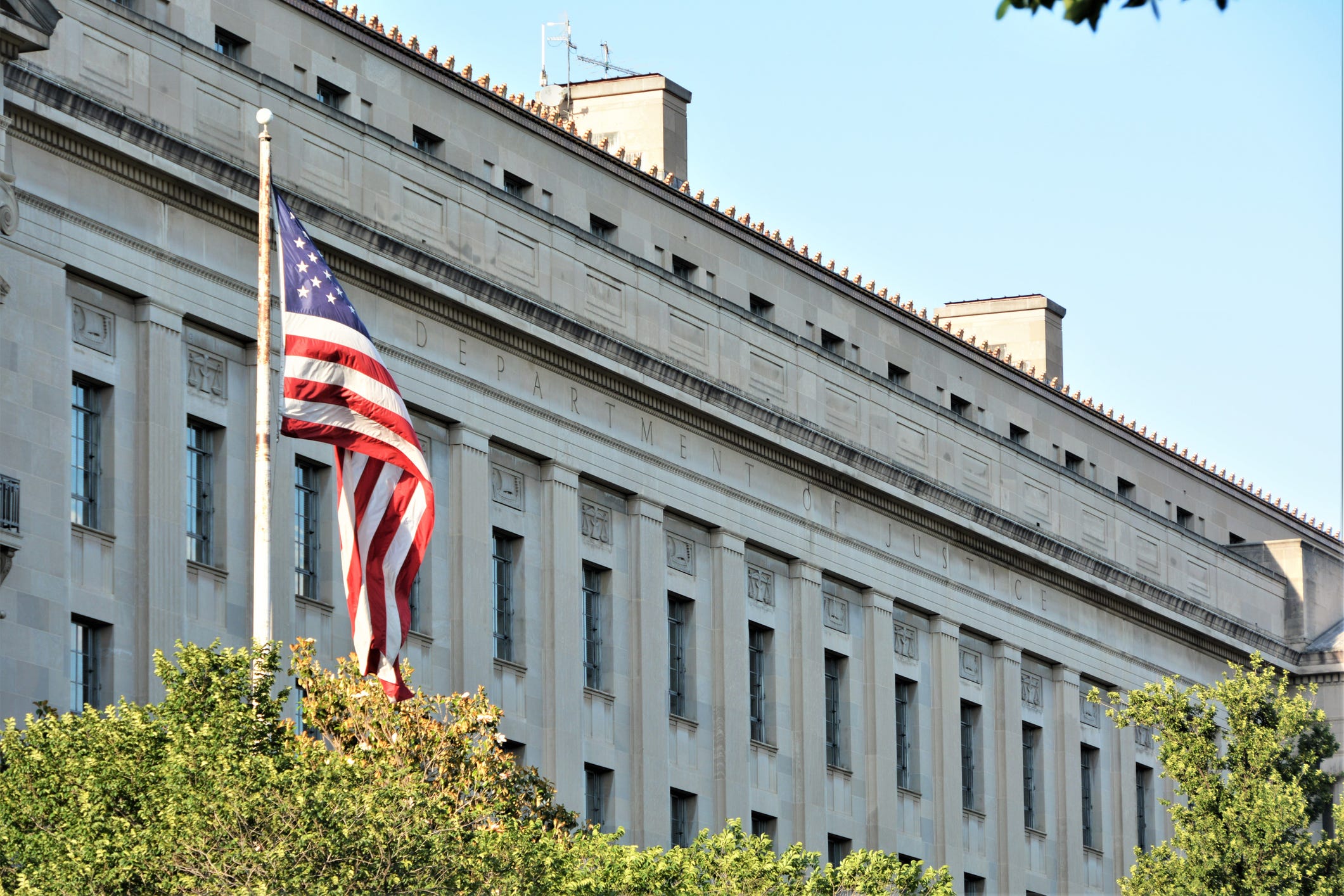
On Thursday, Gail Slater announced on X that she was resigning as head of the Department of Justice Antitrust Division. Moments later, it was reported that Slater had been pushed out by Attorney General Pam Bondi.
The news wasn’t surprising. As The Economic Populist has closely documented, Slater has clashed numerous times with Bondi and her allies, who have turned DOJ antitrust enforcement into a pay-for-play operation for deep-pocketed corporations and monopolies.
The most public-facing scandal came last summer, following the DOJ’s challenge of a $14 billion merger between enterprise networking giants Hewlett Packard Enterprise and Juniper. The company hired Mike Davis and Arthur Schwartz, lobbyists with deep MAGA-world connections, to push the deal through. When Slater didn’t play ball, they went above her to Bondi’s office. A top Bondi lieutenant ordered an eleventh-hour settlement in the case, and two close allies of Slater were fired for resisting it.
The writing was on the wall, and sure enough, a similar scenario quickly happened again. When Slater pushed for an investigation into the proposed merger of real estate brokerages Compass and Anywhere, Compass turned to Davis. He, in turn, reportedly leveraged his connections to put a stop to the DoJ’s probe and the merger was approved.
Slater’s authority was then even further eroded when after she declined to renew the contract of her chief of staff ”only to be told by Bondi that she didn’t have the authority to do so,” according to Semafor. Adding to the humiliation: Slater had already publicly announced the official’s departure, and had to delete the post. Days later, Slater herself was gone.
As Research Director Matt Stoller wrote in his BIG Newsletter, Slater’s ouster represents “the final victory of corporate power” over right-populists in the Trump coalition. It’s also a triumph of corruption over responsible governance. Her less-than-voluntary departure also has immediate implications for the DOJ’s active lawsuits and investigations. To take one example, Wall Street seems confident the DOJ will settle its monopolization suit against Live Nation-Ticketmaster; the reviled company’s share price has surged following Slater’s firing.
Members of Congress looking to bolster their anti-corruption credentials should move to investigate both the circumstances surrounding Slater’s firing and all of the DOJ’s questionable settlements. Additionally, the next administration should investigate all mergers approved by the Trump administration and reverse those it deems not in the best interests of the American public.
Warren, Hawley Introduce Bill to Break Up Big Medicine
On Tuesday, Senators Elizabeth Warren and Josh Hawley introduced the Break Up Big Medicine Act. That name should ring a bell. It’s the same name we at Economic Liberties have given our campaign to tackle the vertical integration driving America’s exceptionally high and forever-increasing healthcare costs.
We’re proud to say that our initiative —and years of research — inspired this legislation, which is by far the most serious proposal on Capitol Hill to bring down medical costs and reverse the corporatization of medicine.
This bill is, by far, the most serious proposal on Capitol Hill to bring down medical costs and reverse the corporatization of medicine. Economic Liberties was among the first policy groups to identify the dismal roles of monopolization and corporate conflicts of interest as major factors in healthcare cost runups and in the declining quality of the care many of us receive. As insurers have acquired medical practices, they have influenced diagnoses to make patients appear sicker, thus earning more for covering them. They are, conversely, financially incentivized to put roadblocks between patients and doctors, denying essential treatments. As drug wholesalers have acquired providers, they have steered physicians to prescribe the most profitable drugs in their distribution channels. The list goes on.
The solution, as we first proposed in 2024, was a Glass-Steagall Act for healthcare: legislation barring a single parent company from playing both or multiple sides of a transaction, thereby preventing the conflicts of interest that result.
Now, such legislation exists.
As Economic Liberties told The Hill, the Break Up Big Medicine Act would not just bring down costs for patients and taxpayers, but it would also empower medical professionals. They are either increasingly likely to be employed by Big Medicine conglomerates that compromise their clinical autonomy, or are forced compete with them on an uneven playing field. And they have had enough. Over the last year, our Break Up Big Medicine initiative has organized a working coalition of nearly 60 independent healthcare professionals, patient advocates, employers, and policy experts—and a subscriber base of over 30,000 concerned citizens—to call for structural healthcare reforms.

The Warren-Hawley bill is just the latest and most comprehensive legislative effort to break up big medicine. Last year, Arkansas passed a first-in-the-nation law prohibiting Big Pharma middlemen from owning pharmacies, which will reduce drug prices by an estimated 7.3%.
Quick Hits
Senior Adviser Doug Farrar went on Bloomberg TV for a wide-ranging interview, including about Gail Slater’s ouster from the DOJ Antitrust Division.
Senior Policy Analyst for Healthcare Emma Freer and Senior Fellow Olivia Webb Kosloff have a new piece in The American Prospect building off Economic Liberties’ recent whitepaper on the bankification of healthcare.
Senior Fellow Katie Van Dyck appears in a More Perfect Union minidoc about a scheme between Pepsi and Walmart to insure Walmart always has the lowest prices on Pepsi products—including by raising prices for the rest of the market.
Economic Liberties’ Executive Director Nidhi Hegde. Director of Research Matt Stoller and Senior Fellow Alvaro Bedoya are all quoted in a just-published piece in The New Republic on what Democrats should do to next.